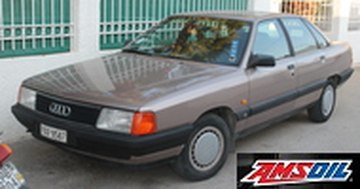
Maintaining the 1982 Audi 5000 2.0L DE Diesel Turbo Engine
Proper engine care for a diesel-powered vehicle requires an understanding of how specialized lubricants and consistent inspection routines contribute to long-term operation. For the 1982 Audi 5000 equipped with the 2.0L [H] DE Diesel Turbo engine, maintaining the lubrication system is a primary component of routine service. Because turbocharging adds specific thermal demands to an engine, staying diligent with fluid management and visual inspections can help ensure the vehicle remains in good working order.Monitoring Fluid Integrity and Condition
A vital part of managing any diesel engine is observing the condition of the engine oil. Over time, lubricants can undergo changes due to heat and the chemical environment within the engine. It is useful to periodically check the appearance and consistency of the oil. While some level of darkening is expected in diesel applications, significant changes in texture or an unusual odor may warrant closer investigation. When performing routine checks, look for any signs of fluid seepage around the engine block or associated sealing surfaces. Identifying small amounts of moisture or oil residue early can prevent more significant issues later. If you notice evidence of leakage, it is important to determine if the source is a gasket, a seal, or a connection point. Rather than assuming a specific component has failed, use these observations to guide a more thorough inspection of the engine bay.Observing Potential Operational Changes
Maintaining awareness of how the vehicle behaves during operation is an effective way to monitor engine health. Owners should be attentive to any new mechanical sounds or changes in how the engine responds under load. For instance, unusual noises that coincide with engine temperature changes or specific RPM ranges should not be ignored. Additionally, keep an eye on exhaust characteristics. While diesel engines have distinct exhaust profiles, sudden or significant changes in smoke color or volume can be associated with various internal or external factors. If you notice a change in how the vehicle operates, it is best to investigate the cause through a professional diagnostic process rather than attempting to pinpoint a specific part based solely on a symptom.Prioritizing Long-Term Maintenance Decisions
As vehicles age, maintenance strategies often shift from strictly following a schedule to a more condition-based approach. For an older Audi 5000, this means using the current state of the vehicle to decide where to focus your efforts. If you do not have a complete service history for the vehicle, establishing a baseline is a practical first step. This involves performing a comprehensive inspection of all fluids, filters, and visible mechanical components to understand the current "starting point" of the engine's condition. When reviewing maintenance records, look for patterns in fluid consumption or frequent repairs. If the vehicle has been well-maintained with consistent oil changes and filter replacements, you can focus on preventive measures. If the history is incomplete, prioritize addressing any active leaks or signs of wear that are immediately visible. Distinguishing between necessary repairs and unnecessary parts replacement is key to efficient ownership; always base your decisions on the actual condition of the components rather than simply because they have reached a certain age.Inspecting Aging Components and Connections
Beyond the lubrication system, several other areas benefit from regular visual checks. If equipped, inspect accessible drive belts for signs of deterioration such as cracking, glazing, or fraying. Similarly, if the vehicle is present with various rubber hoses, check them for softness, swelling, or brittleness. Electrical connections and wiring should also be monitored. Over time, heat and vibration can affect the integrity of connectors or cause insulation to become brittle. Ensuring that electrical components are secure and free from significant corrosion helps prevent intermittent issues. By combining these visual inspections with regular fluid monitoring, you create a comprehensive oversight system for the vehicle's mechanical health.The Role of Clean Lubrication in Diesel Engines
Engine oil performs several essential roles that go beyond simple lubrication. It acts as a medium for heat management, helping to carry thermal energy away from high-temperature areas within the engine. In a turbocharged application, managing these thermal loads is particularly important. Furthermore, the oil helps to manage internal contaminants. As the engine operates, small amounts of combustion byproducts and other particulates can enter the oil. A high-quality lubricant with effective deposit control properties helps keep these substances in suspension, preventing them from settling and forming sludge or other deposits that could interfere with engine operation. Maintaining clean oil through regular service intervals is one of the most effective ways to support the longevity of the internal components.Practical Guidance for Buying Engine Oil for your 1982 Audi 5000 2.0L
When it is time to replenish your engine's lubricant, the most important step is to ensure the product matches the specific requirements of your engine. Do not rely on general automotive knowledge or assumptions based on the vehicle's age to select a grade. Instead, match the engine oil to the application-specific viscosity information already displayed on this page. When you are ready to purchase, follow these practical steps:- Verify the Viscosity: Always check the product label to ensure the SAE viscosity matches the information provided in your vehicle's documentation or the application data shown here.
- Check API Certifications: Look for oils that meet current API service categories to ensure they provide modern levels of protection and deposit control.
- Consider Formulation Types: Depending on your specific needs, you may choose between conventional, synthetic blend, or full synthetic formulations. Some high-mileage oil formulations contain additives intended for use in aging engines, including seal-conditioning additives, which may be a consideration if you are managing older seals.
- Inspect the Label: Before completing your purchase, double-check that the container explicitly states it meets the requirements for your specific engine type.